Lighting solutions
en

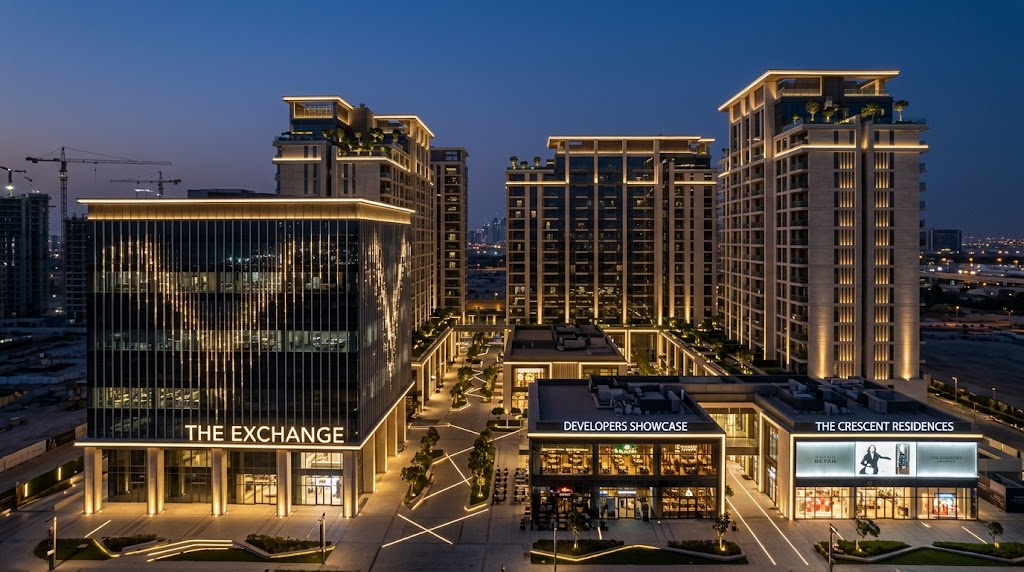
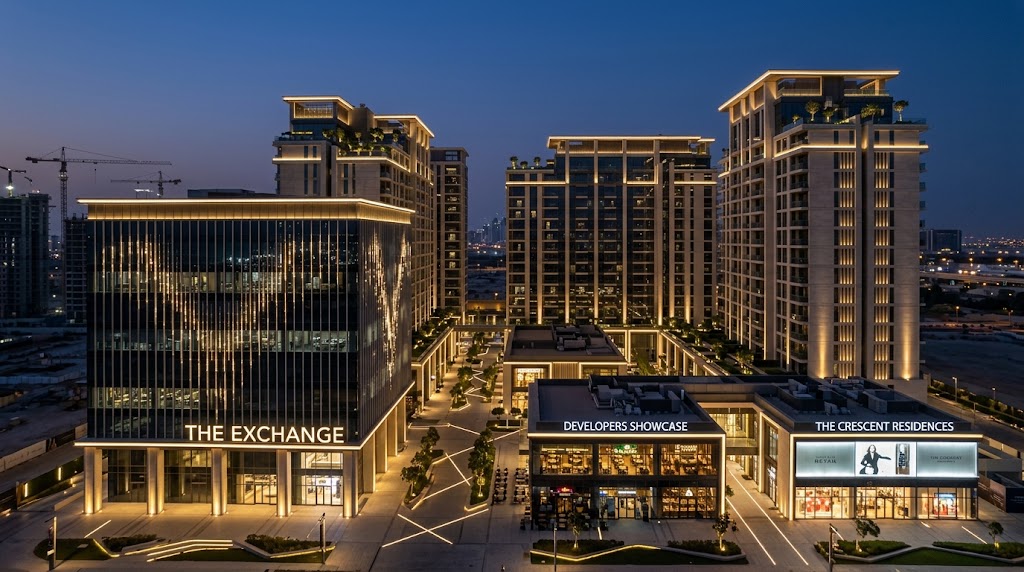
Lighting is most effectively developed for an investment project before the architectural and electrical design has been fully closed. This allows the budget to be tested early, alternative technical solutions to be compared and changes to be made before they become expensive construction modifications.
For investors and developers, this provides visibility not only of luminaire prices but of the complete lighting package, including quantities, bespoke dimensions, controls, lead times, availability, manufacturing, deliveries and subsequent support.
Not every luminaire needs to have a final product code during the early project stages. The types of lighting solutions, approximate quantities and intended technical level should, however, already be understood.
This provides a workable budget framework and identifies the areas with the greatest cost impact. Bespoke linear systems, decorative luminaires, façade lighting and more complex control systems, for example, need to be recognised before the specification is finalised.
Early budgeting is not a substitute for the final quotation. Its purpose is to identify where the project needs adjustment while those changes can still be made without a major effect on construction.
If the initial concept exceeds the available budget, randomly replacing individual fittings with cheaper products is rarely the best approach. It is more useful to compare complete options that retain the main architectural and technical objectives.
Alternatives may use different product ranges, construction methods, control strategies or combinations of standard and bespoke products. The comparison should cover not only price but also luminous output, optics, colour temperature, colour rendering, mounting, warranty and lead time.
This allows the investor to understand exactly what changes when the specification is optimised and what effect each decision has on the complete project.
A luminaire is often part of the architectural detail. Recessed fittings require accurate openings, linear systems need to follow ceiling geometry and suspended luminaires must be coordinated with room heights and other architectural elements.
Coordination becomes particularly important in ceilings containing lighting, ventilation, sprinklers, sensors, audio equipment and access panels. When these systems are designed independently, clashes may only become visible when installation has already started.
The lighting design defines more than luminaire positions. Power supplies, drivers, circuits and the control strategy also need to be established.
Where dimming or automation is required, interfaces and operating principles should be agreed in advance. Bespoke and linear systems also require decisions about the location of power components and how they will remain accessible for future servicing.
Early coordination between architecture, lighting and electrical services reduces the risk of completed ceilings, cable routes or distribution arrangements having to be modified later.
A standard product catalogue cannot resolve every architectural detail. Linear systems, aluminium profiles and selected decorative products may require exact lengths, configurations or project-specific construction.
Polaris Lighting has in-house manufacturing capabilities for linear systems, profiles, selected decorative luminaires and bespoke configurations produced to project-specific dimensions.
This is particularly useful when lighting must follow an architectural module, niche, furniture element, acoustic ceiling or another geometry that does not correspond to standard product dimensions.
On a large development, lighting information should not remain fragmented across separate drawings, quotations and email correspondence. A coordinated specification provides one reference for the final approved solution.
Each item can record:
This gives the architect, electrical designer, contractor, investor and lighting supplier a common technical reference.
The entire lighting package is not necessarily required on site at the same time. Recessed profiles and components may be needed while ceilings are being constructed, whereas decorative fittings should arrive much later when finishes are complete.
For large projects, deliveries are therefore best planned around actual installation stages. This reduces long-term storage on the construction site and lowers the risk of finished products being damaged before installation.
Items with bespoke manufacturing or longer lead times need to be identified early and released in sufficient time to meet the relevant construction milestone.
Once the building is operational, technical information, adjustment, maintenance and servicing may still be required. This is why the final product specification and documentation remain important after construction has finished.
Polaris Lighting provides its own after-sales service, complementing the process from lighting design and manufacturing through supply and the subsequent operation of the lighting installation.
When lighting is integrated early in the development process, budget, architecture, electrical services and procurement can be considered as one coordinated system. Options can be evaluated before orders are placed, bespoke items can be planned in time and deliveries can follow the actual progress of construction.
Polaris Lighting provides lighting design, manufacturing and project supply for investors and property developers. Contact us if you need early lighting budgeting and technical development for an investment project, coordination through implementation, project supply and after-sales support.
